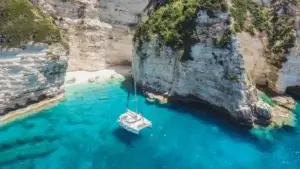

Athens is the main gateway for yacht charters in Greece, offering direct access to the Saronic Gulf, Cyclades, and Peloponnese—all from one starting point.
This guide compares yacht charter types, experiences, costs, and practical considerations—without focusing on specific companies—so you can choose the option that truly fits your travel style.
Types of Yacht Charters
Bareboat vs Skippered vs Crewed
- Bareboat Charter
- You rent the yacht and sail it yourself
- Requires a valid sailing license
- Maximum freedom and privacy
- Best for experienced sailors
Skippered Charter
- Includes a professional captain
- No license required
- Balance between independence and convenience
- Great for beginners or mixed-experience groups
Crewed Charter
- Full crew (captain, chef, hostess)
- Premium, hotel-like experience
- Completely customized itinerary
- Ideal for luxury travelers
Key difference:
- Bareboat = freedom
- Skippered = guidance
- Crewed = service & luxury
- Sailing Yacht vs Catamaran vs Motor Yacht
Sailing Yachts (Monohull)
- Traditional sailing experience
- Lower cost
- More “authentic” and sporty
Catamarans
- Two hulls → more space & stability
- Ideal for families or groups
- Easier anchoring in shallow bays
Motor Yachts
- Fast and luxurious
- Cover long distances quickly
- Higher fuel costs
Quick comparison:
Feature | Sailing Yacht | Catamaran | Motor Yacht |
Space | Moderate | High | High |
Stability | Moderate | Excellent | Excellent |
Speed | Low | Medium | High |
Cost | Lower | Medium | High |
Why Choose Athens for Yacht Charters?
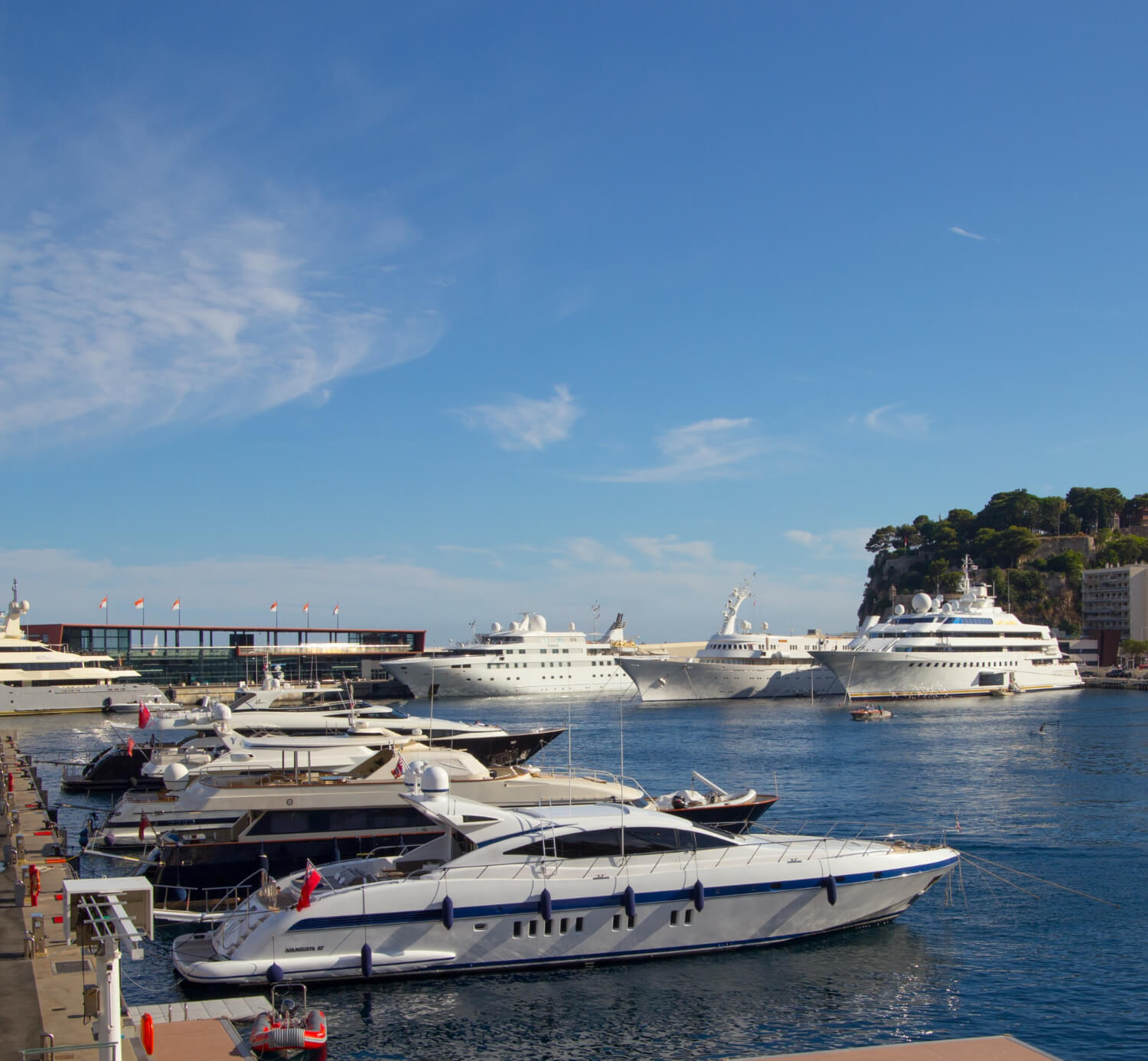
Strategic Location
Athens allows access to multiple sailing regions without repositioning fees, making it one of the most flexible bases in the Mediterranean.
Variety of Routes
- Saronic Islands – calm, beginner-friendly
- Cyclades – iconic but windier
- Peloponnese coast – cultural + sheltered
Infrastructure
- Major marinas
- Large yacht fleet availability
- Competitive pricing due to supply
In simple terms: Athens = flexibility + accessibility + value
Cost Comparison (What You Really Pay)
Base Weekly Prices (Typical Ranges)
- Bareboat sailing yacht: €2,000 – €7,000
- Catamaran: €3,500 – €17,500+
- Crewed yacht: from €10,000+
- Motor yacht luxury: €20,000 to €1M+
Hidden / Additional Costs
- Fuel
- Marina/port fees
- Food & drinks
- Crew gratuities
- APA (25–40% for crewed yachts)
Important: The advertised price is not the final price
How Yacht Charters Work (Step-by-Step)
Booking Process
- Choose yacht type (bareboat / crewed)
- Select dates (usually weekly, Sat–Sat)
- Pick itinerary (or let crew design it)
- Pay deposit (typically ~50%)
- Final payment before departure
Embarkation
- Main ports: Athens marinas
- Boarding usually afternoon, disembarkation morning
Onboard Experience
- Bareboat: fully DIY
- Skippered: guided navigation
- Crewed: full-service lifestyle
When to Charter (Season Comparison)
Season | Months | Pros | Cons |
Low | Apr–May, Oct | Lower prices, fewer crowds | Cooler weather |
Mid | Jun, Sep | Balance of weather & cost | Moderate demand |
High | Jul–Aug | Best weather, vibrant atmosphere | Highest prices |
The Meltemi winds in summer can affect routes, especially in the Cyclades.
Who Each Charter Type Is Best For
- Couples → Catamaran or small crewed yacht
- Families → Catamaran (space + safety)
- Friends groups → Skippered or bareboat
- Luxury travelers → Crewed motor yacht
- Sailing enthusiasts → Bareboat monohull
Pros & Cons Overview
Advantages of Yacht Charters
- Total freedom vs hotels
- Access to hidden beaches
- Private, customizable experience
- Unique island-hopping lifestyle
Disadvantages
- Weather dependency
- Extra costs beyond base price
- Requires planning/logistics
- Space constraints (compared to resorts)
FAQs (Frequently Asked Questions)
How far in advance should I book a yacht in Athens?
For peak season (July–August), booking 6-12 months in advance is strongly recommended. The most desirable yachts-especially catamarans and crewed options-are often reserved early by returning clients and agencies.
For shoulder seasons (May, June, September), you can often find good availability 2-4 months ahead, but waiting too long may limit your choices in size, layout, or price range.
Last-minute bookings are possible, but:
- Selection will be limited
- Prices are not always cheaper
- You may need to be flexible on dates or yacht type
What documents do I need to charter a yacht?
It depends on the charter type:
Bareboat Charter
- Valid sailing license (recognized internationally)
- VHF radio certificate (sometimes required)
- Passport/ID
- Sailing CV (your experience history)
Greek authorities may verify your experience, especially for larger yachts.
Skippered / Crewed Charter
- Only passport or ID required
- No technical qualifications needed
Important: Even if you have a license, charter companies may refuse bareboat rental if they feel your experience is insufficient.
What is included in a typical yacht charter?
This is one of the most misunderstood aspects.
Usually Included
- The yacht itself
- Standard onboard equipment (kitchen, bedding, safety gear)
- Insurance (with excess deposit)
Usually NOT Included
- Fuel (charged based on consumption)
- Food & drinks (provisioning)
- Marina and port fees
- Cleaning fees (mandatory in most cases)
- Crew tips (for crewed charters)
For luxury charters, you’ll often pay an Advance Provisioning Allowance (APA), typically 25-40% of the charter price, used to cover all onboard expenses.
Always ask for a full cost breakdown before booking.
How much does fuel actually cost?
Fuel costs vary widely depending on the yacht type:
- Sailing yachts: Low fuel usage (mainly for docking or no-wind situations)
- Catamarans: Moderate consumption
- Motor yachts: High fuel costs—this can be one of the biggest expenses
For example:
- Sailing yacht: €100–€300/week
- Catamaran: €200–€600/week
- Motor yacht: €1,000–€10,000+ depending on usage
Your itinerary matters:
- Short island hops = lower fuel
- Long-distance cruising = higher fuel
What is life like onboard a yacht?
Life onboard is a mix of relaxation, exploration, and simplicity.
Daily Routine Example
- Morning swim in a quiet bay
- Breakfast onboard or at a seaside café
- Sailing to the next island
- Lunch on deck
- Afternoon relaxation or water activities
- Evening in a harbor town for dinner
Cabins are compact but functional, and outdoor living (deck space) becomes your main “living room.”
Expect:
- Limited space compared to hotels
- Incredible privacy and views
- A slower, more immersive travel pace
Can I customize my itinerary?
Yes—this is one of the biggest advantages of yacht charters.
Bareboat / Skippered
- You plan your own route (weather permitting)
Crewed Charters
- Fully customized itinerary
- Crew suggests routes based on: Weather, Preferences, Experience level
Popular routes from Athens include:
- Saronic Islands (Aegina, Poros, Hydra)
- Cyclades (Mykonos, Santorini – longer trips)
- Peloponnese coast
Flexibility is key: plans may change due to weather conditions.
What happens if the weather is bad?
Weather plays a major role in sailing.
- Routes may be adjusted for safety
- Some islands may be skipped
- Sailing time may increase or decrease
In Greece, the Meltemi winds (July–August) can be strong, especially in the Cyclades.
Important:
- Safety always comes first
- Skippers/crew will make final decisions
- Alternative routes are usually just as beautiful
Is a yacht charter suitable for families with children?
Yes-especially on catamarans.
Why Catamarans Work Well
- More space and stability
- Safer movement onboard
- Shallow draft for beach access
However:
- Children should always be supervised
- Safety briefings are essential
- Some yachts offer child-friendly equipment (nets, life jackets)
Many families consider this one of the most memorable travel experiences.
How do I choose the right yacht size?
This depends on:
- Number of guests
- Budget
- Desired comfort level
General Guidelines
- 2-4 people → small sailing yacht
- 4-8 people → catamaran or mid-size yacht
- 8+ people → larger catamaran or crewed yacht
Tip: Choose one cabin more than you need if you want extra comfort.
What should I pack for a yacht charter?
Packing is different from a typical vacation.
Essentials
- Soft luggage (no hard suitcases)
- Swimwear
- Light clothing
- Non-slip shoes
- Sunscreen, hat, sunglasses
Optional
- Snorkeling gear
- Light jacket (for evenings)
- Motion sickness tablets (if needed)
Space is limited, so pack light.
Do I need travel insurance?
Yes, it’s highly recommended.
A good policy should cover:
- Trip cancellation
- Medical emergencies
- Sailing-related activities
Some charters also require a security deposit, which may be insured separately.
Are yacht charters environmentally friendly?
Yachting can be eco-conscious if done responsibly.
Positive Aspects
- Wind-powered sailing (low emissions)
- Access to remote, untouched areas
Considerations
- Fuel use (especially motor yachts)
- Waste management
Many modern yachts now include:
- Solar panels
- Water makers
- Eco-friendly practices
Can I work remotely from a yacht?
Yes-but with limitations.
- Mobile signal is generally good near islands
- Wi-Fi may be available but not guaranteed
- Offshore connectivity can be weak
Best approach:
- Plan light work
- Don’t rely on constant high-speed internet
What are the biggest mistakes first-time charterers make?
- Underestimating extra costs
- Choosing the wrong yacht type
- Overplanning the itinerary
- Not considering weather conditions
- Packing too much
The biggest tip: Keep expectations flexible and prioritize the experience over rigid plans.
Final Thoughts (Choosing the Right Charter)
The “best” yacht charter in Athens depends on three core factors:
- Experience level (sail yourself or hire crew)
- Budget (bareboat vs luxury crewed)
- Travel style (adventure vs relaxation)
If you want:
- Freedom → go bareboat
- Balance → choose skippered
- Luxury → go fully crewed